















Photochromic lenses: how they work, the myths, and when they pay off (2026 guide)
There is a lens technology that has been quietly solving the "prescription glasses or sunglasses?" dilemma for years — and in the Canary Islands, where you leave home in bright sun, step into a shopping centre and walk back out into full UV, it makes more sense than anywhere else: photochromic lenses.
How they work (short version)
The lens contains molecules that change shape when they receive ultraviolet light: with UV they "open up" and absorb visible light (dark lens); without UV they fold back and let light through (clear lens). No electronics, no batteries — just chemistry that works every time and lasts for years.
Speed
They darken in 30-60 seconds. Clearing takes slightly longer — 2 to 5 minutes to become fully transparent.
Maximum tint
Current generations reach category 3 — the same level as a general-purpose pair of sunglasses.
Protection
Permanent UV400: they block ultraviolet even when clear. Your eyes are protected all day long.
Temperature
They darken slightly less in hot weather than in cold. In the Canaries: perfectly usable all year round.
The two eternal myths
"They stay greyish indoors": that was the old generation. Today's lenses turn practically transparent at home or in the office — nobody will know they are photochromic.
"They don't work in the car": half true. The windscreen filters most UV, so standard photochromics barely activate behind the wheel. There are specific versions that also react to visible light and do darken inside the car — if you drive a lot, ask for those.
Photochromic, polarised, or two pairs?
| Photochromic | Polarised | Two pairs | |
|---|---|---|---|
| Convenience | One pair for everything | You switch glasses | You switch glasses |
| Glare from water/tarmac | Does not cut reflections | Yes — its speciality | Depends on your sun lens |
| Indoors | Transparent | Not usable | Switch to the clear pair |
| Best for | In-and-out all day | Driving, sea, fishing | Maximum performance in each scenario |
Want the best of both worlds? Polarised photochromics and other combinations exist too — just ask.
How to order them at Gafas Canarias
Pick any prescription frame (or almost any sunglass frame — most can be glazed too), open the lens configurator and tick the photochromic option — available in every lens colour, not just classic grey. Add your prescription and you are done.
Configure your photochromic lenses on any frame at Gafas Canarias. tracked shipping; timing confirmed according to availability and destination to the Canaries and mainland Spain, official 2-year warranty.
Read more
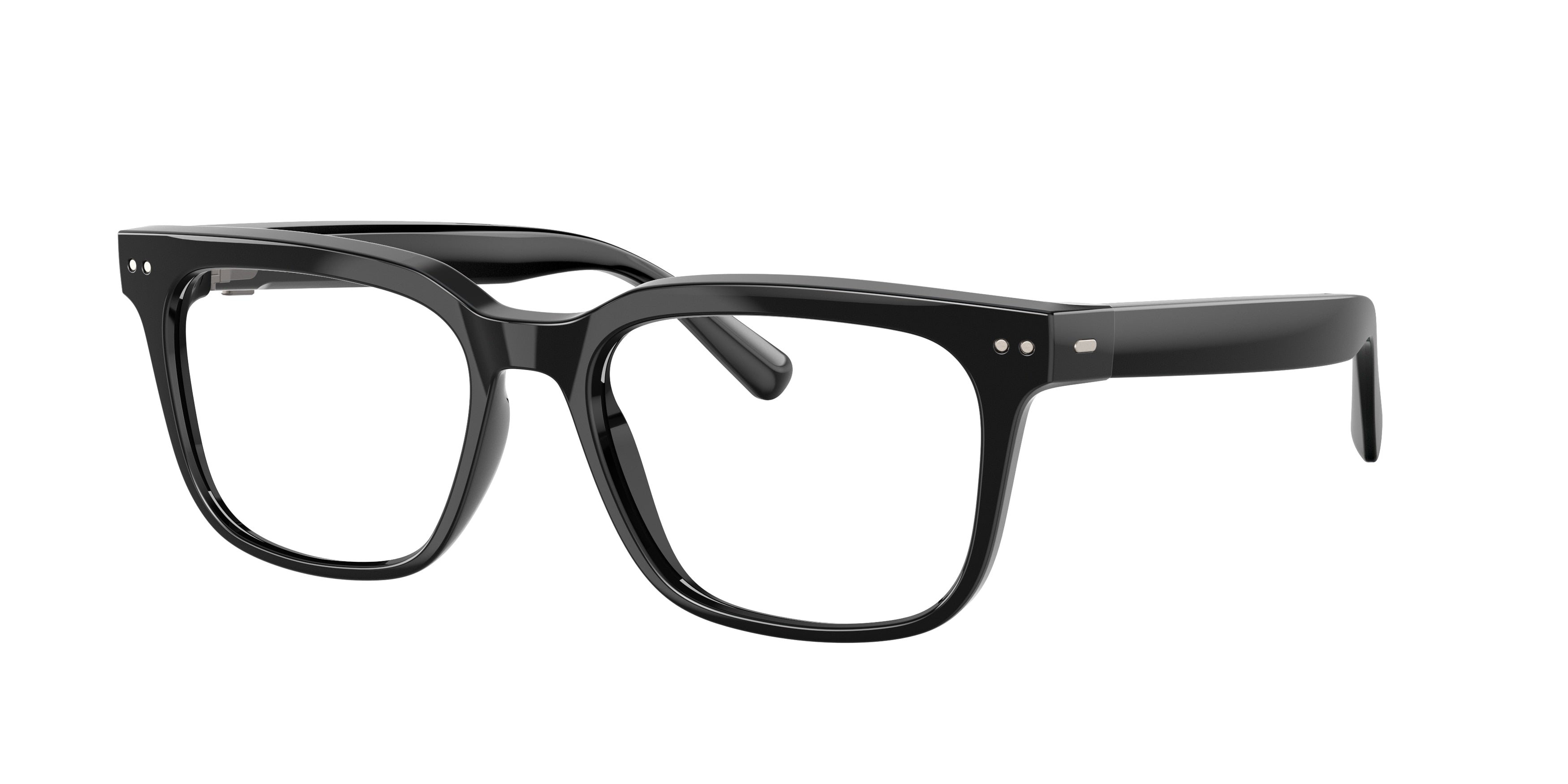
Glasses with built-in, open-ear sound amplification. What they are, who they're for and how to glaze them. Shipping across Spain.
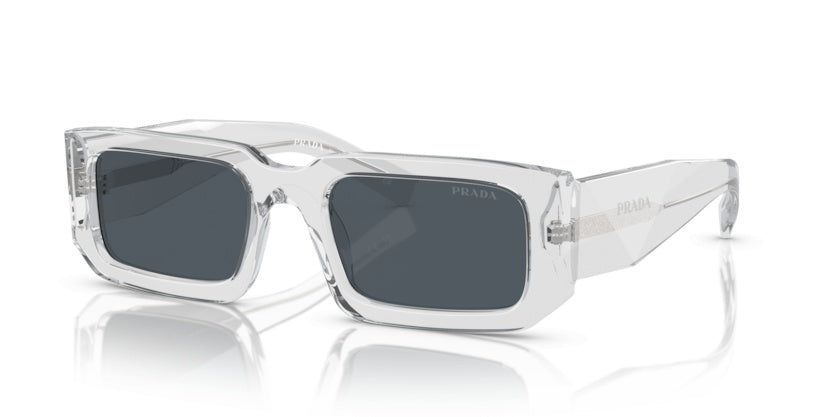
Milanese minimalism, the Symbole triangle and the sporty Linea Rossa: what makes a Prada unmistakable and how to choose your first pair — sun or prescription — with official warranty.