












Ray-Ban Aviator: History, Evolution and Every Model Available in 2026
If there is one pair of sunglasses that needs no introduction, it is the Ray-Ban Aviator. Created in 1937 under the name "Anti-Glare" for US military pilots, these sunglasses with their unmistakable teardrop lens shape and fine metal bridge became a cultural phenomenon that has transcended decades, genders, and borders. In this article we trace the Aviator's history and present every model available at GafasCanarias so you can find yours.
The Origins: From the Cockpit to the Silver Screen
The story begins when Lieutenant General John MacCready contacted Bausch & Lomb — Ray-Ban's parent company — to develop sunglasses that would protect pilots from intense sunlight at altitude. The result was a green lens (the iconic G-15) that filtered light without distorting colours, mounted on a lightweight metal frame with the teardrop shape we instantly recognise today. The design was patented in 1936 and launched to the public under the Ray-Ban brand in 1937 — a name that literally means "ban rays".
The leap to cultural stardom came during World War II, when General Douglas MacArthur was repeatedly photographed wearing his Aviators. Then came Hollywood: from Steve McQueen and Paul Newman to Tom Cruise in Top Gun, the Aviator cemented its status as the most desired sunglasses on the planet.

Aviator RB3025: The Timeless Classic
The RB3025 is the original Aviator, faithful to the silhouette that has been winning hearts for nearly 90 years. The fine metal frame with double bridge and engraved-logo temples preserves the essence of the original design, while the wide range of available lenses — from the classic G-15 green to mirror, gradient, and polarised options — allows for complete customisation. At GafasCanarias you will find over 50 colour variants of the RB3025, with prices starting at €165.
Aviator Metal II RB3689: The Quality Leap
For those who want the Aviator experience with a superior level of finish, the RB3689 uses ultra-lightweight titanium metal for greater strength and comfort. The lenses are slightly larger than the original RB3025, and the adjustable nose pads allow for a more precise fit. It is the natural evolution of the classic Aviator for the discerning wearer who values technical details as much as aesthetics.

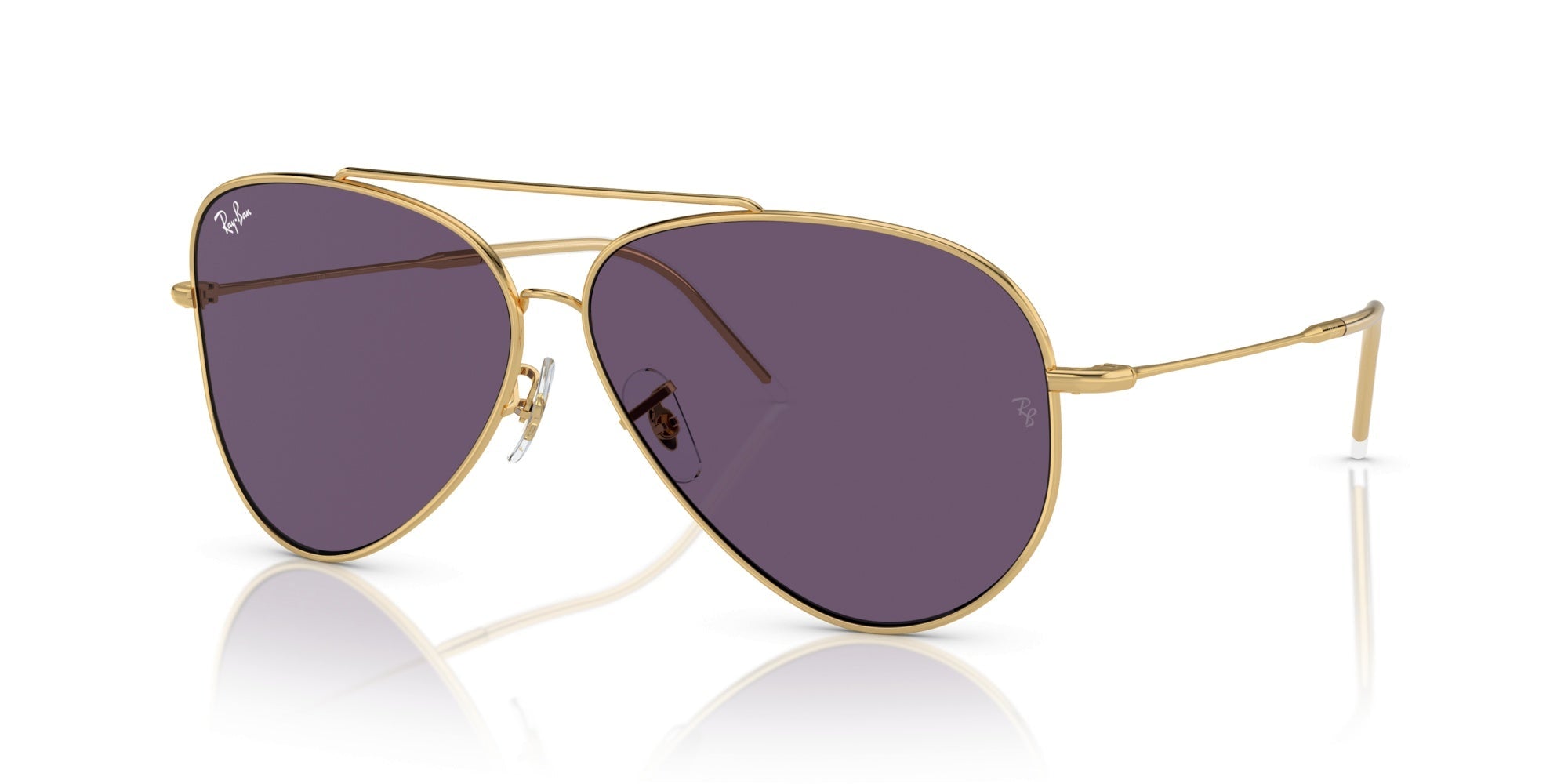
Aviator Reverse RB0101: The 2024 Revolution
In 2024, Ray-Ban introduced one of the boldest innovations in the model's history: the Aviator Reverse. The concept is as simple as it is brilliant — invert the lens curvature. While classic Aviators have a concave lens (curving inward), the Reverse features a convex lens (curving outward), creating an entirely new visual effect that has captivated celebrities like Sydney Sweeney. Beyond the aesthetics, the reverse curvature improves peripheral vision and reduces distortions. This is the 21st-century Aviator.
How to Choose Your Aviator: Size and Lens
One of the most common mistakes when buying Aviators is overlooking the size. The RB3025 comes in three sizes — 55, 58, and 62mm — and the difference is significant. The general rule is simple: if the lens fully covers the eye socket without extending too far beyond the brow line, the size is correct. The 55 works well for small to medium faces, the 58 is the most versatile, and the 62 is designed for larger faces.
As for the lens, for everyday urban use the classic G-15 green remains unbeatable for its natural colour reproduction. For driving and water activities, polarised versions eliminate annoying reflections. And if you want a more modern look, mirror lenses in gold, blue, or pink add a touch of personality without sacrificing functionality.

Read more
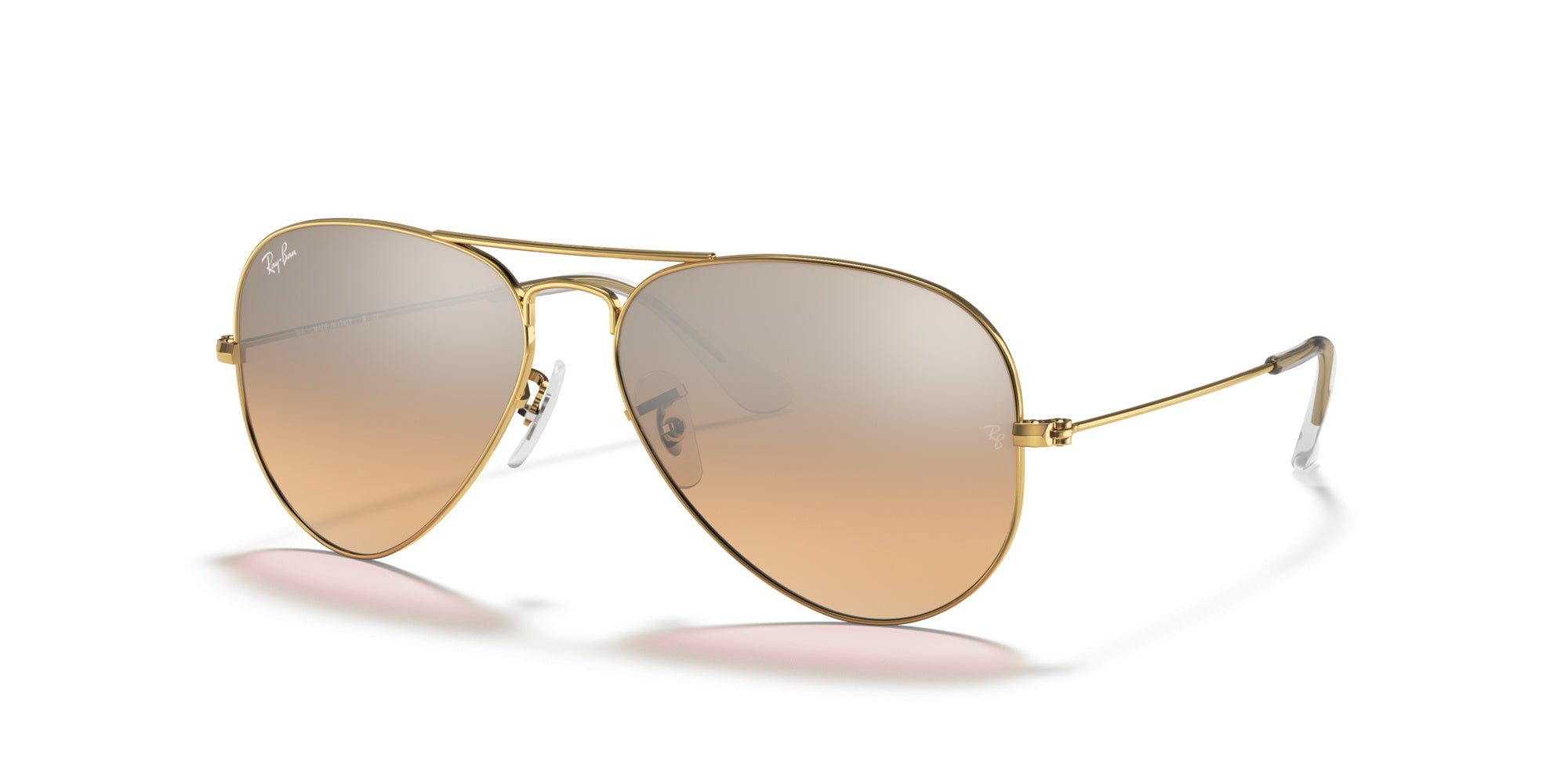
Discover the most iconic Ray-Ban models, from the Aviator to the Clubmaster. We help you choose the perfect sunglasses based on your face shape and lifestyle.
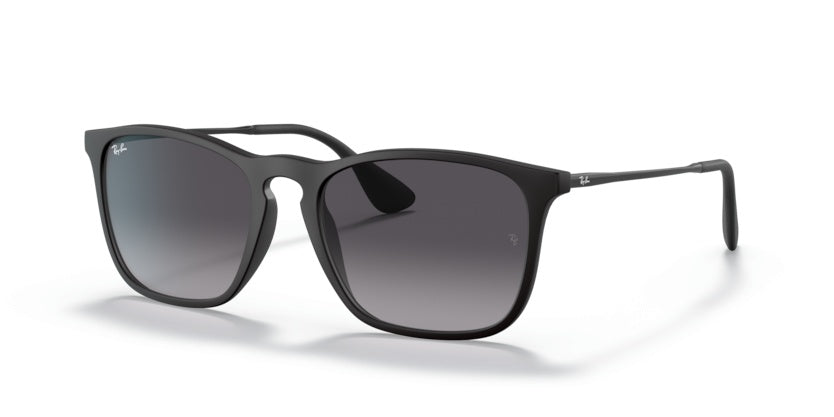
Find out which Ray-Ban models are ideal for the beach, surfing, and outdoor activities in the Canary Islands. A guide to polarised lenses, UV protection, and durability.